
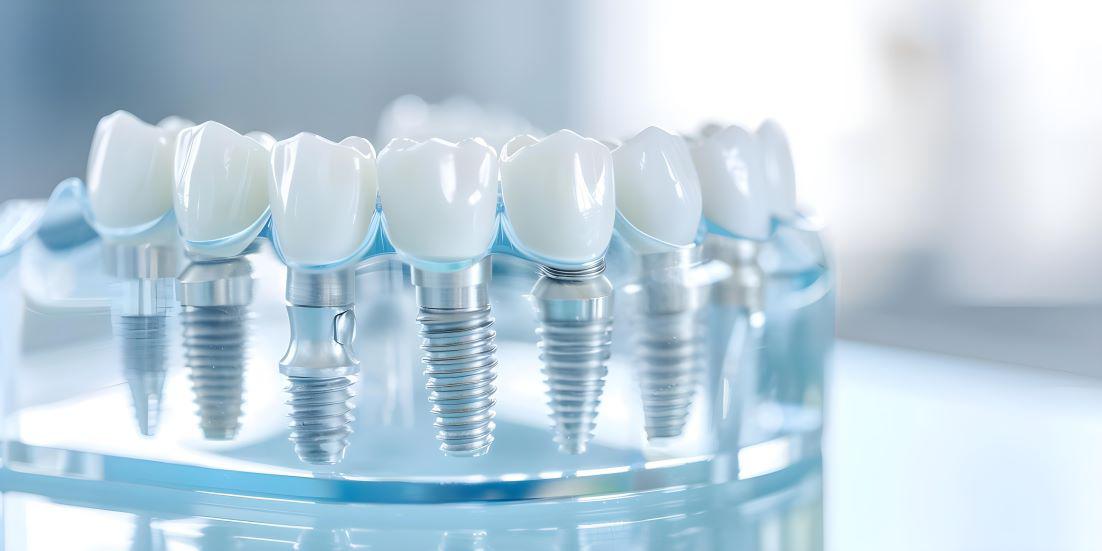
Dental implants are a long-lasting solution for replacing missing teeth. They provide a stable foundation for crowns, bridges, or dentures, and they help preserve jawbone health. While dental implants are highly successful, it’s natural to have questions about the recovery process and what life is like after the procedure. Understanding what to expect can help you feel more comfortable and prepared for each stage of healing.
Immediately After the Procedure
Right after your dental implant surgery, it’s normal to experience some swelling, tenderness, and minor bleeding at the surgical site. These symptoms are part of the body’s natural healing process and usually improve within a few days. Your dentist may recommend over-the-counter pain relievers or prescribe medication to manage discomfort. Following post-operative instructions, such as applying ice packs to reduce swelling and avoiding strenuous activity, can help speed up recovery.
Eating soft foods and avoiding hot, spicy, or crunchy items during the first few days is also important. Gentle rinsing with a warm saltwater solution can keep the area clean and reduce the risk of infection. Being mindful of these early steps ensures the implant site heals properly and sets the stage for long-term success.
Healing and Osseointegration
The next critical phase is called osseointegration, during which the implant fuses with the jawbone. This process usually takes several months and is what makes dental implants so stable and durable. During this time, it’s normal to experience occasional mild discomfort or pressure, but severe pain is uncommon. Maintaining good oral hygiene by carefully brushing and flossing around the implant site is essential to prevent infection and support healing.
It’s also important to attend follow-up appointments with your dentist. Regular check-ins allow your dental team to monitor healing and address any issues early. This ensures your implant integrates properly and provides a strong foundation for your replacement tooth.
Adjusting to Your New Smile
Once healing is complete and the final restoration is placed, you’ll begin adjusting to your new dental implant. Your bite may feel slightly different at first, and you may notice increased awareness of the implant compared to natural teeth. These sensations are normal and usually diminish as your mouth adapts.
Dental implants function like natural teeth, so you can enjoy eating most of your favorite foods without worry. However, it’s still a good idea to avoid extremely hard or sticky foods that could damage the crown or other restorations. Over time, the implant should feel completely natural and allow you to speak, chew, and smile with confidence.
Long-Term Care and Maintenance
Dental implants are designed to last many years, often decades, with proper care. Maintaining excellent oral hygiene is essential to prevent gum disease and protect the implant site. Regular brushing, flossing, and routine dental checkups help ensure your implant remains healthy and your surrounding teeth stay strong. Your dentist may also recommend special tools or techniques for cleaning around the implant to prevent plaque buildup.
Lifestyle habits also play a role in long-term success. Avoiding smoking and limiting excessive alcohol consumption can help promote healthy gums and bone, which are critical for the longevity of your implant. Maintaining a balanced diet with adequate nutrients further supports oral health and overall well-being.
Enjoying the Benefits of Dental Implants
Dental implants offer many benefits beyond restoring your smile. They help maintain facial structure, improve speech, restore chewing ability, and provide long-term oral health benefits. Knowing what to expect after the procedure and following your dentist’s instructions closely can make the recovery smoother and help you achieve the best results possible.
If you’re considering dental implants or want to learn more about the recovery process, contact our dental office today. Our experienced team is here to guide you through every step, ensuring your new smile is healthy, functional, and confident for years to come.